




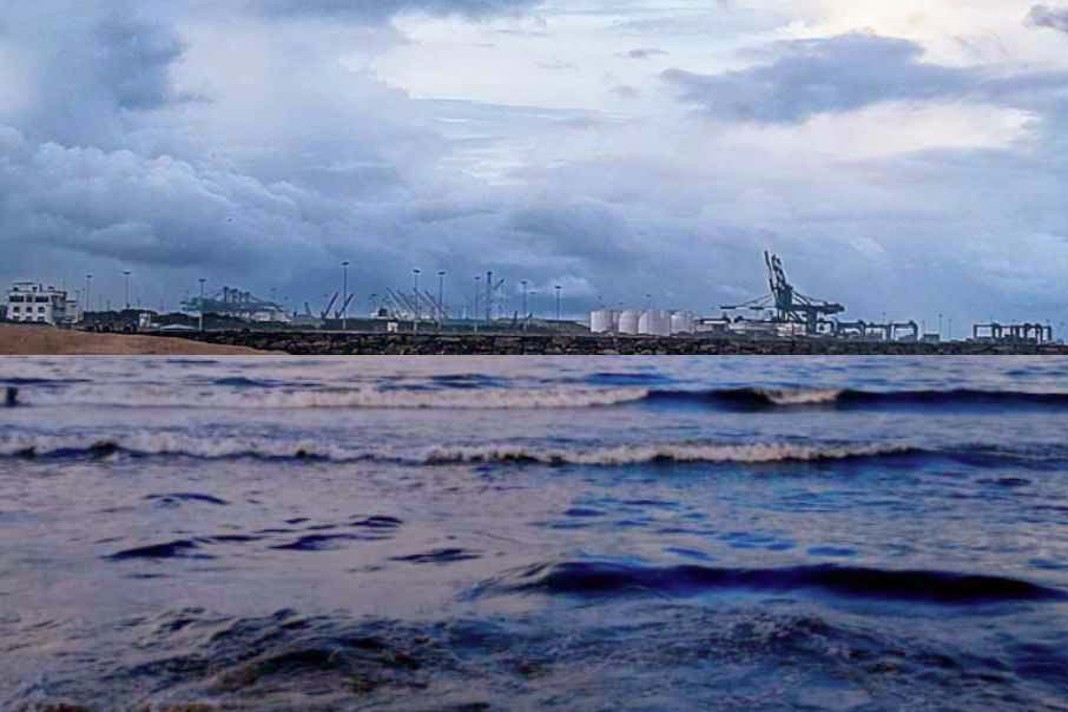
 The Port of Barcelona has officially approved its Energy Transition Plan, a long-term roadmap that will guide its energy and sustainability policies until 2040. The plan sets bold targets: an 85% reduction in greenhouse gas emissions by 2040 (compared to 2017 levels) and complete emissions neutrality by 2050. With over 150 actions outlined, the plan positions the port as a global leader in sustainable, innovative, and resilient port operations.
A Comprehensive Roadmap Toward Decarbonisation
The Energy Transition Plan forms part of the Port’s Fourth Strategic Plan and aims not only to reduce emissions but also to redefine energy as a strategic asset. The port’s immediate target is to cut emissions by half between 2025 and 2030, equivalent to eliminating one million tonnes of CO₂ similar to removing 240,000 cars from the road annually.
To achieve this, the plan includes more than 150 actions grouped into four focus areas:
-
Decarbonising port activity
-
Sustainable energy consumption
-
Resilient energy supply
-
Innovation and emerging technologies
Key measures include electrifying 50% of port activity by 2030 and ensuring that 65% of container and cruise ships connect to Onshore Power Supply (OPS), allowing ships to turn off their engines while docked. This figure is projected to rise to 90% by 2050.
Local energy production is central to the plan, with a target of installing 100 MWp of photovoltaic capacity by 2030. Additionally, the port aims to produce 100,000 tonnes of sustainable fuels—including biomethane and synthetic fuels per year. This initiative will help the port play a vital role in future maritime green corridors and attract next-generation sustainable vessels.
Innovation, Resilience, and a Shared Vision for Sustainability
The Energy Transition Plan goes beyond technology and emissions it seeks to transform the Port of Barcelona into a Mediterranean hub for clean energy innovation. Hydrogen plays a major role in this strategy, especially with the upcoming connection to the H2MED pipeline, which could position Barcelona as a major hydrogen distribution centre.
The plan also explores carbon capture and utilisation through circular-economy models, supporting the production of synthetic fuels and other low-carbon solutions.
Crucially, this transformation is a collective effort. The Port Community comprising companies, operators, and institutions will work together toward a unified goal. Investments of roughly €920 million (private) and €780 million (public) are planned to support the shift toward sustainable energy infrastructure.
Port President José Alberto Carbonell emphasised that all current and future projects are aligned with the energy transition vision, reaffirming the port’s strategic role in producing, storing, and supplying sustainable energy. Meanwhile, Hector Calls, Director of Environmental Sustainability and Energy Transition, highlighted the plan’s flexibility, annual progress indicators, and commitment to adapting to emerging technologies and regulations.
The Energy Transition Plan marks a pivotal moment for the Port of Barcelona, setting a clear and ambitious path toward decarbonisation, innovation, and long-term resilience. By redefining energy as a strategic asset and investing heavily in renewable infrastructure, the port is positioning itself as a sustainability leader in Europe. With collaboration from the entire Port Community and continuous adaptation to new technologies, Barcelona is paving the way for a greener, future-ready logistics and maritime ecosystem.
Did you subscribe to our daily Newsletter?
It’s Free Click here to Subscribe!
Source: Port de Barcelona