




- Russia, Iran, Venezuela Compete for Limited VLCC Supply.
- Sanctions Push More VLCCs Into Expanding Dark Fleet.
- China Teapot Quotas Squeeze Demand for Shadow Crude.
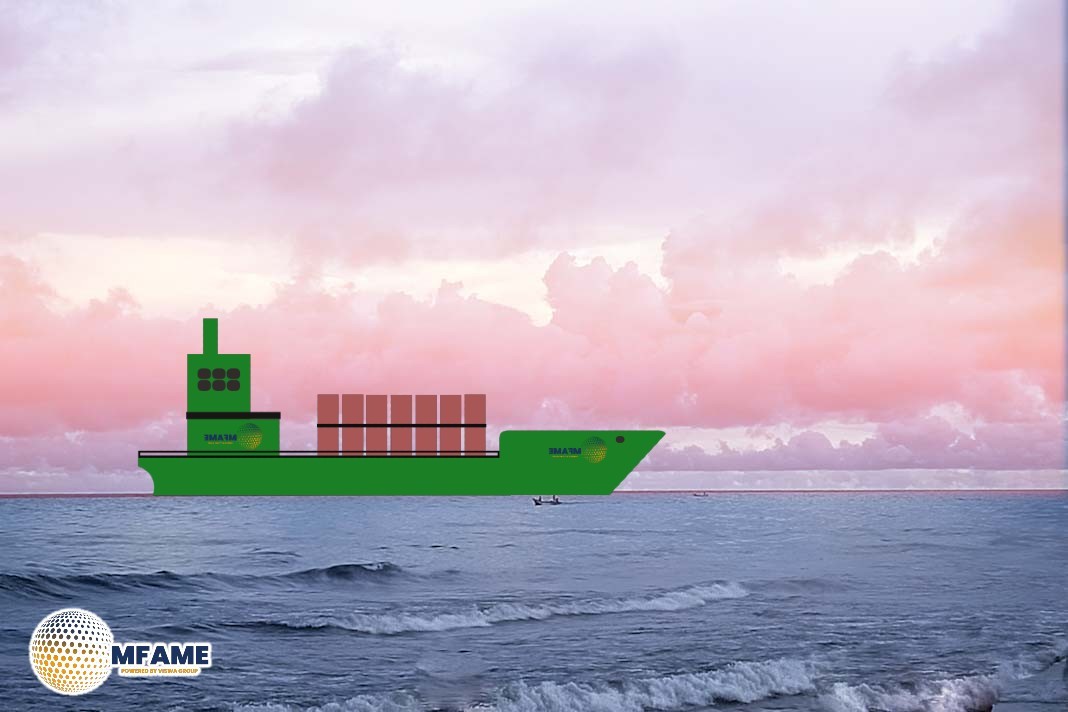
With the recent U.S. sanctions targeting Rosneft and Lukoil, a significant amount of shadow crude has found its way to independent refineries in China’s Shandong region. However, demand is tightening, and the number of vessels capable of transporting this oil is dwindling. To keep export levels steady, shadow producers will have to actively seek out compliant ships, mainly VLCCs that are designed for long-haul journeys and can efficiently unload at Shandong ports, reports Break Wave Advisors.
The Competition for VLCCs Heats Up
Russia is now in a position where it needs to replace the Greek-controlled Aframaxes and Suezmaxes that used to carry a large portion of its crude. This means it will be going head-to-head with Iran and Venezuela for older VLCCs, which will be loaded through ship-to-ship transfers from smaller tankers. While there are some hopeful signs of diplomatic progress regarding the Russia-Ukraine situation, it seems unlikely that shadow crude will return to normal pricing anytime soon.
Sanctions Are Driving More VLCCs Into the Dark Fleet
The U.S. is ramping up pressure on Iran’s export network, and as a result, over 60% of the VLCCs that transported shadow crude in the last two years are now under sanctions. New vessels are being added to the blacklist every month. With onshore tanks about half full and floating storage reaching near-record levels, exporters need to grow the dark fleet or risk facing increasing congestion offshore.
Teapot Quotas Limit Demand
Before the sanctions were imposed, Russia, Iran, and Venezuela collectively shipped around 5.8 million barrels per day of crude, with China taking in more than half of that. Now, only a limited amount is making its way to India, and most of the barrels rely on China’s independent refiners, who are dealing with strict import quotas for 2025-26. Exporters are trying to push about 4.5 million barrels per day into a market that can only handle around 3.8 million barrels per day. Consequently, floating storage has jumped from 55 million to 68 million barrels.
Floating Storage Approaching Historic Levels
Unless there are changes to sanctions or new ways to evade them, we can expect floating storage to keep growing. Very Large Crude Carriers (VLCCs) are still the most cost-effective way to transport crude to Shandong, especially since only non-sanctioned tankers are allowed into its ports. While some of the cargo is rerouted to Dalian for secondary transport, this significantly bumps up costs. Sanctioned tankers, on the other hand, have to offload their cargo offshore through ship-to-ship transfers.
Dark Fleet Expansion Fueled by VLCC Conversions
Since the beginning of the year, the involvement of sanctioned VLCCs in shadow trades has jumped from 46% to 63%. To navigate around sanctions, 28 compliant VLCCs, mostly from Middle Eastern traders, have joined the dark fleet. Almost all of these vessels take on cargo through offshore transfers and deliver it to China, as they are not under sanctions. While these additions have alleviated some supply pressure, the demand for more compliant VLCCs is still on the rise.
Venezuelan Exports Facing Renewed Challenges
U.S. policies are tightening against Venezuela, particularly targeting maritime assets in the Caribbean. If certain U.S. licenses are revoked, we could see more Venezuelan barrels heading toward Shandong, which would put additional strain on tanker availability. The Venezuelan fleet is already feeling the pressure from recent high export volumes, leading to longer storage times in East Asia.
Limited Availability of Older VLCCs
The sale of older crude tankers has slowed down since the peaks following the onset of the Russia-Ukraine war. However, there has been some renewed activity in 2024, especially after China imposed restrictions on sanctioned tankers, causing temporary congestion offshore. Still, options are limited: over 95% of compliant VLCCs are owned by companies that are not willing to sell to the dark fleet, leaving only about 35 viable candidates.
Did you subscribe to our daily Newsletter?
It’s Free Click here to Subscribe!
Source: Break Wave Advisors