




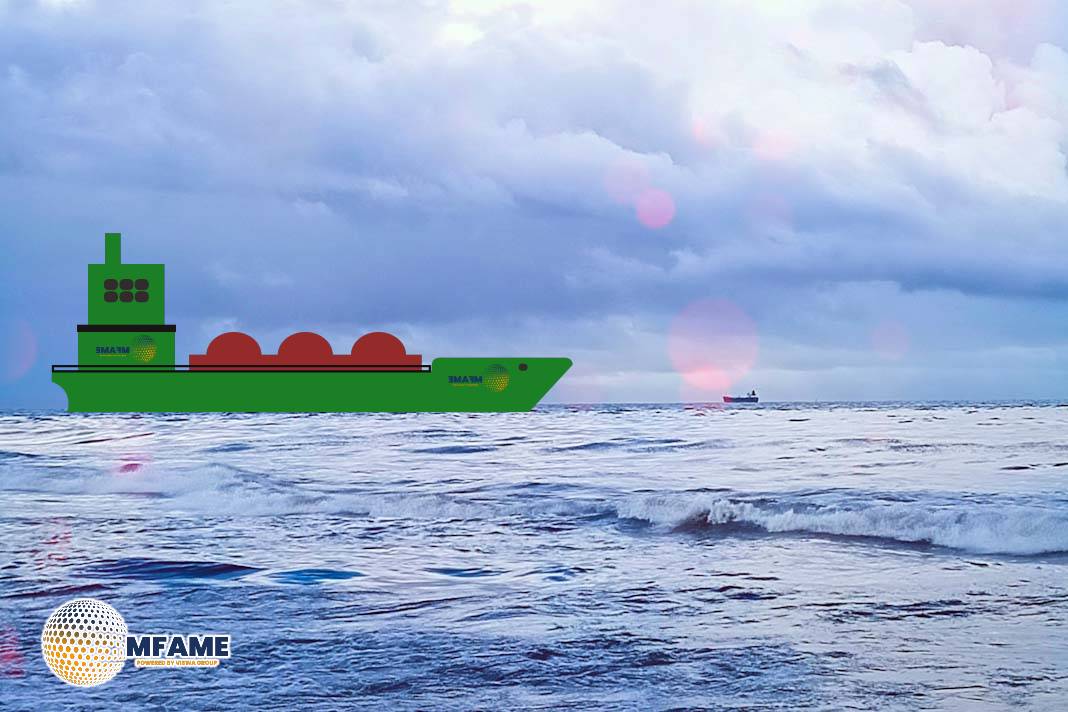
 Liquefied petroleum gas (LPG), ethane, and ammonia have become central pillars of global energy and petrochemical supply chains. As seaborne trade surges and cargoes diversify, ship operators face an increasingly complex risk environment shaped by cryogenic temperatures, volatile cargo properties, and high-value shipments frequently resold mid-voyage. With the growth of specialised gas carriers and heightened regulatory scrutiny, shipping companies and P&I Clubs must adapt to new technical, operational, and legal challenges.
Shifting Trade Patterns and Evolving Ship Designs
The global LPG trade continues to expand rapidly, driven by rising Asian demand and supported by major exports from the Middle East and the United States together accounting for roughly 80% of global flows. Alongside LPG, the transportation of ethane and ammonia has increased sharply. U.S. ethane exports reached a record 492,000 bpd in 2024, while future ammonia trade could climb to 160 million tonnes by 2050.
This growth has accelerated the deployment of specialised vessels:
-
Fully Pressurised (FP) ships, though small, face higher operational exposure due to frequent port calls and manual processes.
-
Semi-Pressurised / Refrigerated (SP/FR) carriers offer flexibility but introduce risks during mode switching and valve sequencing.
-
Fully Refrigerated vessels and VLGCs, the workhorses of long-haul LPG transport, require stringent thermal, pressure, and reliquefication control.
-
VLECs, bridging LPG and LNG carrier technology, must sustain cryogenic conditions around –89°C, presenting high insured values, tight scheduling, limited port infrastructure, and elevated contamination risks.
As ammonia re-emerges as both a traded product and a potential marine fuel, operators must manage extreme toxicity, corrosion risks, and stringent segregation requirements especially when carrying ammonia alongside propane or other LPG cargoes.
Heightened Technical, Procedural, and Legal Risks
The risk landscape for gas carriers has become significantly more complex. Key exposures include:
-
Fire and Explosion Hazards: Heavy, volatile vapours can ignite easily from static or leaks, requiring strict adherence to SIGTTO guidelines.
-
Cryogenic Stress and Structural Integrity: Uneven tank cooling can trigger brittle fracture especially pronounced in ethane operations.
-
Contamination and Off-Spec Cargo: Even trace moisture or incorrect propane-butane ratios can cause costly contractual disputes.
-
STS Operations: Unapproved anchorages or improper mooring/fendering raise the risk of pollution, property damage, and loss of cover.
-
Measurement Disputes: LPG trades rely on precise thermodynamic calculations; incomplete logbooks and calibration errors remain leading causes of claims.
-
Letters of Indemnity (LOIs): Common in gas trades, but frequently misunderstood. LOIs do not legalise prohibited actions, reinstate excluded P&I cover, or protect owners if issuers default.
A recent case involving the concurrent carriage of ammonia and propane highlights the importance of technical due diligence. With ammonia’s toxicity and reactivity, the operation required full segregation, valve integrity verification, upgraded detection systems, enhanced PPE, and procedural precision. Close coordination between the ship operator, P&I Club, and technical consultants ensured safe completion without incident.
As global demand for LPG, ethane, and ammonia continues to grow, so does operational complexity across the gas carrier fleet. The future will be defined not only by advanced ship technology but by rigid procedural discipline, meticulous data integrity, and proactive risk management. Strong ship-shore coordination, verified safety systems, rigorous documentation, and early consultation with P&I and technical experts remain the strongest defence against contamination, deviation, mis-delivery, structural failure, and multimillion-dollar claims. In an era of expanding gas markets, vigilance not just innovation will determine safe and profitable operations.
Did you subscribe to our daily Newsletter?
It’s Free Click here to Subscribe!
Source: UKP&I