




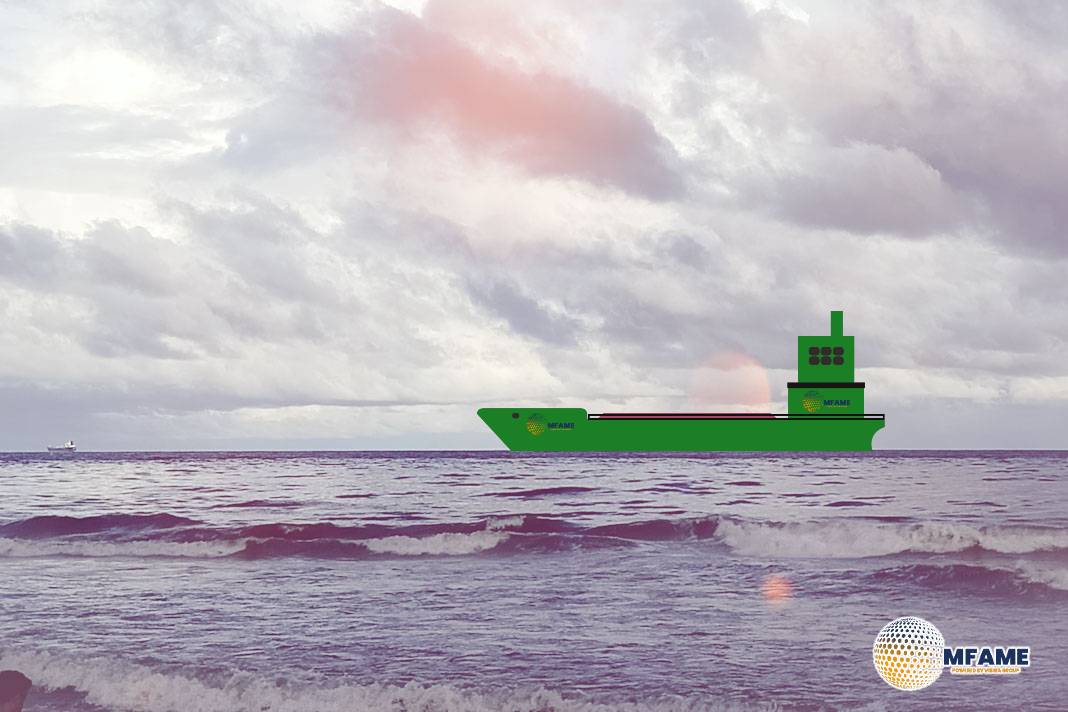
- A gradual return to the Red Sea could release significant container capacity
- Initial disruption and port congestion are likely before rates come under pressure
- Container shipping will be impacted more than the tanker and bulker sectors.
A return to the Red Sea route is emerging as one of the most important developments for container shipping in 2026. The Suez Canal remains a critical artery for East–West trade, handling over 15% of global goods trade and a much higher share of containerised cargo. After nearly two years of detours around the Cape of Good Hope, liners are closely watching security conditions to assess when a safe return becomes viable.
Disruption First, Pressure Later
Reopening the Red Sea would shorten Asia–Europe voyages by more than 3,000 nautical miles and around 10 sailing days, releasing roughly 6% of global fleet capacity currently tied up in longer routings.
However, the initial impact is likely to be disruptive. Early vessel arrivals could overwhelm European ports, trigger congestion, and create knock-on delays across supply chains. Once schedules stabilise, the release of capacity combined with a large orderbook could place strong downward pressure on freight rates.
Carriers Proceed with Caution
Despite improved security signals, liners are not rushing back. Networks have stabilised around Cape routings, schedule reliability has improved, and carriers want to avoid repeated disruptions. Insurance costs, operational risk, and alliance commitments are also key considerations.
A phased return, possibly starting with backhaul voyages, is more likely than an abrupt shift. Tanker and bulker markets, which rely less on the Red Sea, are expected to see a more limited impact compared with containers.
Did you subscribe to our daily Newsletter?
It’s Free — Click here to Subscribe!
Source – ING