

- Fatal Mooring Accident Highlights Mooring Safety Gaps.
- YENISEI RIVER Mooring Operation Ends in Fatality – Lessons for Crew Safety.
- Mooring Hazards and Team Communication Failures in LNG Carrier Incident.
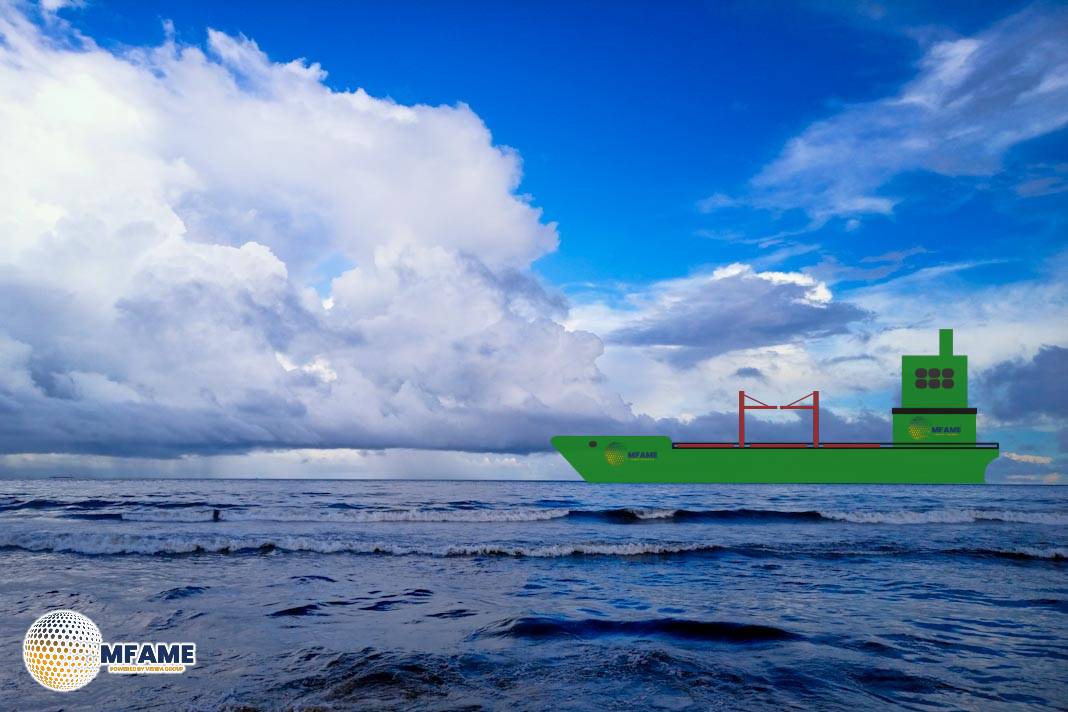
On May 2, 2024, the LNG carrier YENISEI RIVER, registered in the Marshall Islands, was docking at an LNG terminal in Pyeongtaek, South Korea, when a tragic accident occurred. A deckhand, known as ASD1, suffered fatal injuries during the mooring process. This incident took place as the ship was manoeuvring alongside the jetty for loading, reports Republic of the Marshall Islands.
What Happened
The vessel approached the berth following a planned mooring setup, and a risk assessment had been completed beforehand. All mooring lines were deployed and secured. However, when the ship needed to move backwards to align with the loading arms, a malfunction in the mooring winch prevented one of the lines from paying out smoothly. Crew members attempted to adjust the chafing sleeves while the lines were still under tension. Unfortunately, the ASD1 became trapped between the fairlead roller and a mooring line, leading to a fall into the water, and he later succumbed to his injuries in the hospital.
Primary Causes and Contributing Factors
- Mooring Winch Mechanical Failure: The brake supporting arrangement of the mooring winch had become loose, resulting in friction and slow operation. This malfunction hindered the proper payout of the line and contributed to unexpected tension on the mooring lines.
- Unsafe Positioning in Hazard Zone: The ASD1 was positioned in a snap-back danger zone near a fairlead roller while the lines were under tension, which significantly increased the risk of injury.
- Communication and Coordination Gaps: Despite conducting risk assessments and toolbox talks, there were communication breakdowns between the bridge, mooring supervisors, and deck crew. This left hazards inadequately managed during the dynamic operations.
Key Lessons Learned
- Mechanical Reliability is Critical: It’s essential to ensure regular maintenance and testing of mooring winches and other critical deck equipment. Any friction or delays in winch operation can create unsafe tension conditions during berthing adjustments.
- Hazard Zones Must Be Controlled: Crew members need training to recognise and avoid snap-back and pinch zones, especially near fairleads and tensioned lines. Being physically close to live lines significantly heightens the risk.
- Supervision and Communication Save Lives: Everyone involved, the bridge crew, mooring team supervisors, and mooring gang members, must communicate clearly. Keeping everyone on the same page about movements and alerting each other to dynamic operations is key to avoiding mistakes.
- Risk Assessments Must Anticipate Dynamic Changes: When it comes to situations like astern movement, static risk assessments just won’t cut it. It’s important to continuously review and adjust risks as conditions evolve, helping crews stay safe and sound.
- Toolbox Talks Need Real-Time Reinforcement: Before starting any task, toolbox talks are essential, but they need to be supported by real-time communication and monitoring during operations. This way, teams can effectively handle unexpected changes or equipment issues.
Final Safety Message
Mooring operations rank among the most dangerous routine tasks on a ship. This incident serves as a reminder that despite thorough planning and risk assessments, equipment failures and unsafe positioning in high-risk areas can have deadly consequences. Vessels should regularly review their mooring procedures, ensure equipment is well-maintained, and promote situational awareness to keep crews safe.
Did you subscribe to our daily Newsletter?
It’s Free Click here to Subscribe!
Source: Republic of the Marshall Islands.