



- Venezuela–China Crude Trade Continues Unabated.
- US Seizures Target Falsely Flagged VLCCs.
- Legal Questions Surround Recent Boardings.
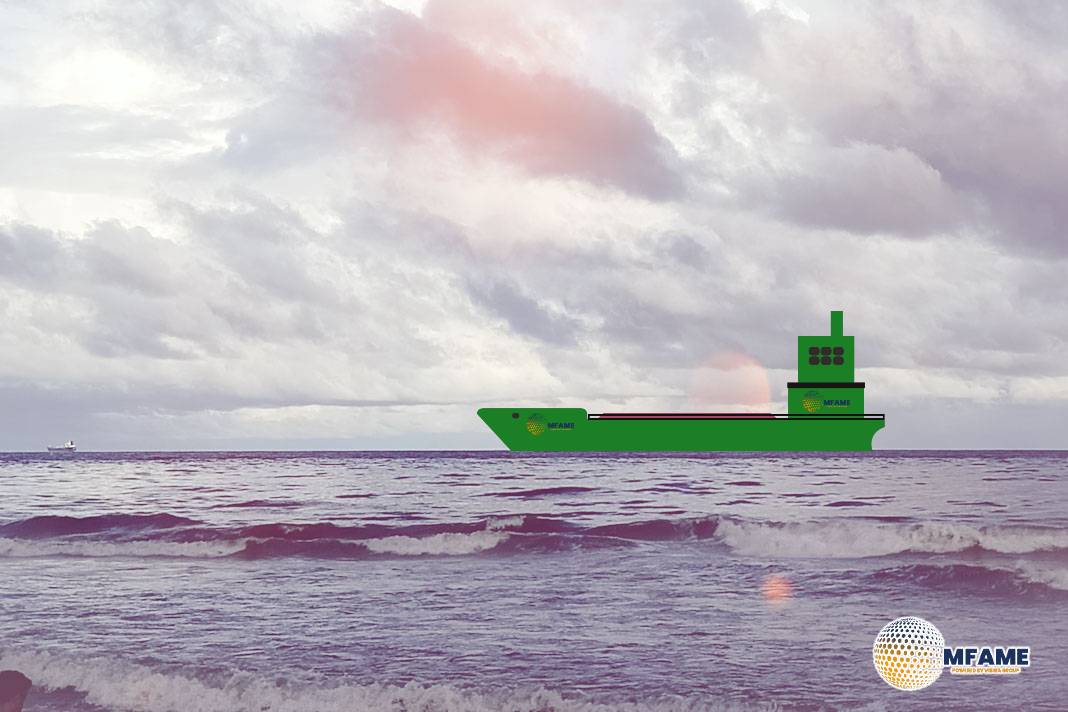
A very large crude carrier flying the Chinese flag, built in 2015, has been busy transporting Venezuelan Merey crude to China for about five years now. The ownership of this vessel remains a mystery, and it hasn’t been sanctioned by the United States. Currently, it’s making its way back to Venezuela and is expected to dock around mid-January, which puts it right in the path of the recently announced US oil blockade, reports Lloyd’s List.
Sale Enabled Continued Venezuela–China Trade
In 2020, this tanker was sold by a major Chinese state energy company as part of a deal that kept the crude flowing between Venezuela and China. Since then, it has been making regular trips between Venezuelan loading terminals and Chinese discharge ports. After sailing around the Cape of Good Hope in ballast in late December, it’s now cruising across the South Atlantic at a steady pace, showing no signs of changing course.
Additional Tankers Positioned Near South America
Another Chinese-flagged VLCC, which is also unsanctioned and was previously owned by the same seller, has already reached South America and is set to load Venezuelan crude in January. There’s also a third tanker, built in 2014, that last loaded Venezuelan crude back in August. It has returned in ballast and is currently moving slowly off the coast of French Guiana. Like the others, it has been exclusively involved in the Venezuela–China trade since its sale in 2020. So far, the geopolitical effects of the US blockade have been minimal, mainly because of the flag status, or the lack of clear flag-state control of the vessels engaged in this trade.
US Seizures and Boarding Actions
Back in December, US authorities took action by boarding and seizing a Very Large Crude Carrier (VLCC) that was pretending to fly a foreign flag. This gave them a legal reason to intervene in international waters. At the time of the seizure, the vessel was already under sanctions for other trades and was carrying Venezuelan crude oil.
Later in December, another foreign-flagged VLCC was boarded and seized, this time with the approval of its flag state, even though it wasn’t sanctioned or tied to any other restricted trades. This raised some eyebrows regarding the legal justification for the seizure, especially since no public court documents had been made available. There was also an attempt to board an unladen VLCC that was falsely flagged to the same country. However, that vessel refused to allow boarding, and its current status is still a bit of a mystery.
China Responds at the United Nations
During an emergency session at the United Nations in late December, China openly criticised the US’s approach to Venezuelan oil. “As an independent sovereign state, Venezuela has the right to independently develop mutual cooperation with other countries and defend its legitimate rights and interests.” China’s representative added that US actions “seriously infringe upon other countries’ sovereignty.”
Legal Limits of the Blockade
Almost all Venezuelan crude exports are headed for China, including those routed through third countries. While US sanctions prevent American companies from dealing with Venezuela’s national oil company without a license, no secondary sanctions are stopping non-US companies from transporting or buying Venezuelan crude.
Even though the US administration had previously threatened secondary tariffs on buyers of Venezuelan oil, those measures never came to fruition and would be tough to enforce on China without upsetting existing trade relationships. Importantly, the Chinese-flagged VLCCs currently on their way do not use false flags, aren’t under sanctions, and don’t have flag states likely to allow US boardings in international waters. This raises questions about how the blockade would be enforced if they go ahead with loading and departure.
Did you subscribe to our daily Newsletter?
It’s Free Click here to Subscribe!
Source: Lloyd’s List