




- Beijing Opposes Unilateral and Illegal Sanctions on Venezuela.
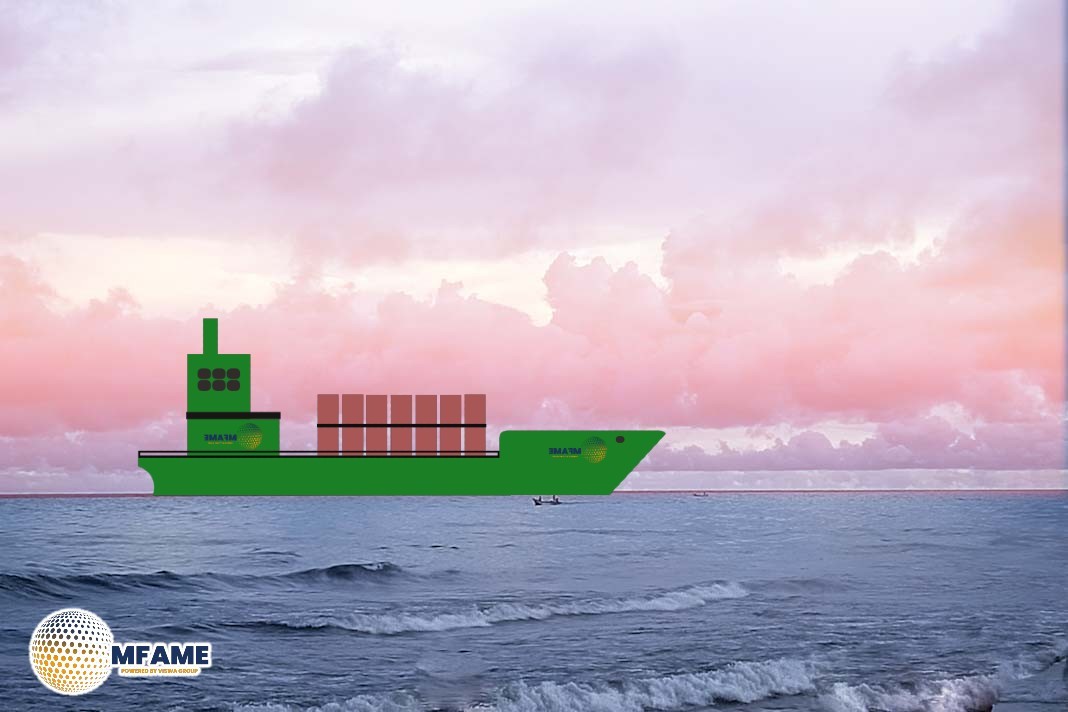
- U.S. Coast Guard Stops Second Oil Tanker Off Venezuelan Coast.
- Tanker Carrying 1.8 Million Barrels of Crude Bound for China.
On Monday, China’s foreign ministry expressed strong disapproval of the United States’ recent seizure of ships from other nations, calling it a serious breach of international law. This statement followed the U.S. interception of an oil tanker bound for China off the coast of Venezuela, reports Reuters.
China Opposes Unilateral Sanctions
“Venezuela has the right to develop relations with other countries,” China’s foreign ministry spokesperson Lin Jian said at a daily press briefing, adding that China opposes all “unilateral and illegal” sanctions.
U.S. Intercepts Second Oil Tanker
Just this past Saturday, the U.S. Coast Guard stopped another oil tanker in international waters near Venezuela, only days after President Donald Trump declared a “blockade” on all sanctioned oil tankers entering or leaving the country.
Details of the Tanker and Cargo
The tanker, named Centuries, was loaded in Venezuela under the alias “Crag” and was carrying approximately 1.8 million barrels of Venezuelan Merey crude oil destined for China, according to the documents.
Role of Oil Traders and PDVSA
The crude oil was purchased by Satau Tijana Oil Trading, one of several intermediaries involved in the sales from Venezuela’s state oil company, PDVSA, to independent refiners in China, as the documents reveal.
U.S. and Venezuela React
A White House spokesperson said the “falsely flagged vessel” carried sanctioned oil and was part of Venezuela’s shadow fleet. The Venezuelan government called the tanker interception a “serious act of international piracy.”
China’s Dependence on Venezuelan Crude
China is the largest buyer of Venezuelan crude, accounting for approximately 4% of its total imports.
Did you subscribe to our daily Newsletter?
It’s Free Click here to Subscribe!
Source: Reuters