




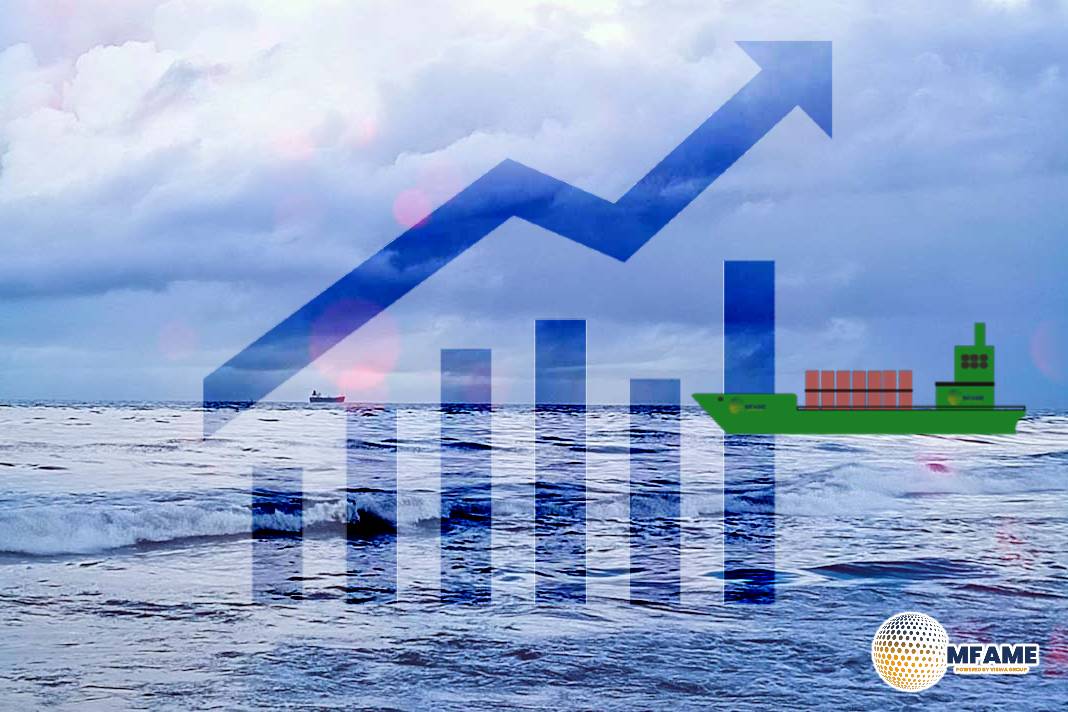
The container shipping sector is entering a period of adjustment after the exceptional disruptions seen since 2020. Recent analysis indicates that, while capacity growth will remain elevated in the near term, demand growth is gradually catching up, helping to restore equilibrium across major trade lanes.
Capacity Growth Remains a Key Factor
Fleet expansion continues to shape market conditions. A large number of newbuild container vessels are scheduled for delivery, reflecting orders placed during earlier periods of strong freight rates. As a result, supply growth has outpaced demand through 2024 and 2025, placing pressure on utilisation levels and freight rates.
However, the pace of capacity additions is expected to moderate beyond 2026. At the same time, vessel scrapping is likely to increase, particularly among older and less fuel-efficient ships. Together, these factors should slow net fleet growth and ease oversupply concerns.
Demand Growth Shows Gradual Improvement
On the demand side, containerised trade continues to recover steadily. While growth remains uneven across regions, overall volumes are expected to increase in line with global economic activity. Consumer demand, industrial production, and restocking cycles are all contributing to a more stable outlook compared with recent years.
Importantly, demand growth is projected to align more closely with supply growth in 2026. This convergence marks a shift away from the imbalance that has characterised the market since the post-pandemic surge and subsequent correction.
Freight Rates and Market Stability
Freight rates have softened as additional capacity entered service and congestion eased. Nevertheless, the expected rebalancing of supply and demand should help stabilise rates over the medium term. While a return to the extreme highs of previous cycles appears unlikely, improved balance may reduce volatility and support more predictable operating conditions.
Carriers are also adapting through network adjustments, service rationalisation, and increased use of slow steaming to manage effective capacity. These operational measures continue to play a role in shaping market outcomes alongside structural fleet changes.
Did you subscribe to our daily Newsletter?
It’s Free — Click here to Subscribe!
Source: BIMCO