




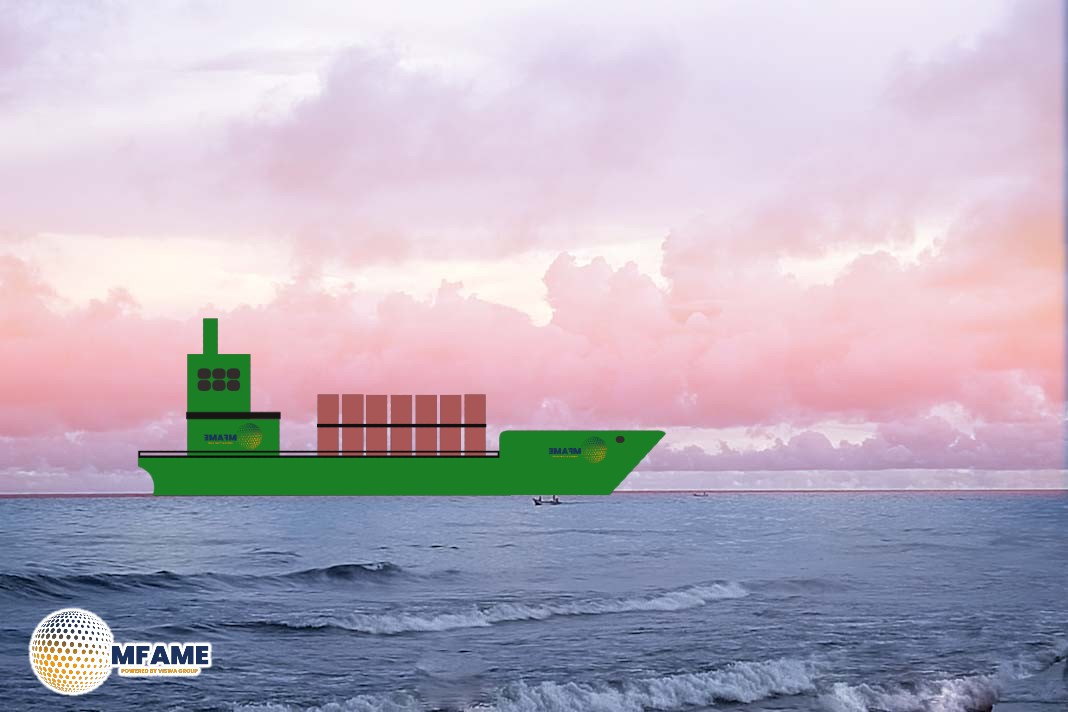
 Shipbuilding demand has reached one of its strongest points in years, with shipyard order books now stretching into 2028, 2029, and even 2030. A major driver behind this surge is the exceptional rise in orders for feeder-type container ships particularly vessels below 5,000 TEU alongside a growing trend toward clean-fuel propulsion systems. However, uncertainties around alternative fuel costs and IMO regulations continue to influence shipowners’ decisions.
Feeder Container Ships Lead the Market Boom
Shipyard representatives across China confirmed that feeder and large-feeder container ships have become the most in-demand ship type this year, a significant change from previous years when orders for these vessels were minimal.
-
Clarkson data shows 293 feeder and large-feeder orders in 2024, an increase of 100 ships since mid-September.
-
Feeder vessels now account for over half of all container ship orders globally this year.
-
About 41% of these orders come from Chinese shipowners, reflecting strong domestic investment.
Shipyards such as COSCO SHP SG Guangdong Zhongyuan Shipping Heavy Industry and Wuhu Shipyard report fully booked schedules through 2028, with billions of yuan already secured in feeder-ship contracts. However, tight delivery slots are causing some shipowners to hesitate, waiting for better schedules before placing new orders.
The global fleet profile also supports this trend vessels under 3,000 TEU make up 56% of the world’s container ships, rising to 69% for ships under 5,000 TEU, highlighting the essential role of feeders in regional and short-sea logistics networks.
Clean-Fuel Technologies Gain Momentum Despite Cost Concerns
While demand for new vessels is booming, shipowners remain cautious about choosing clean-fuel propulsion due to high fuel costs, limited availability, and the IMO net-zero framework’s one-year postponement.
Still, shipbuilding trends continue moving toward decarbonisation:
-
Recent contracts include methanol-ready VLOCs, wind-assisted cruise ships, and dual-fuel chemical tankers.
-
LNG and methanol remain the mainstream clean-fuel choices based on current orders.
-
DNV reports that 51% of the global orderbook (by gross tonnage) uses clean-energy power, with LNG at 36.8% and methanol at 10.4%.
-
Alternative-fuel vessels are expected to nearly double by 2028.
Engine manufacturers showcased methanol and ammonia engines, as well as wind-assisted propulsion, although LNG dual-fuel systems have recently gained traction due to more stable supply and lower costs.
Fuel pricing remains a major obstacle. For example:
-
Bio-methanol costs around $2,500 per ton, nearly triple the price of MGO.
-
Global production is only 2.2 million tons, compared to a projected demand of 60 million tons by 2040.
However, multiple green methanol projects such as Huashang Energy and CIMC Enric are scaling up production, which may reduce costs over time.
With shipyards fully booked for the next several years and feeder container ships dominating new orders, the global shipbuilding market is experiencing a period of strong growth. At the same time, the transition to clean-fuel ships continues gaining momentum, even as uncertainties around fuel costs and IMO timelines create challenges. As production of green fuels expands and technology becomes more widely adopted, the industry is moving steadily toward a more sustainable future one where efficiency, lower emissions, and diversified fuel strategies will shape the next generation of global fleets.
Did you subscribe to our daily Newsletter?
It’s Free Click here to Subscribe!
Source: FUTUBULL