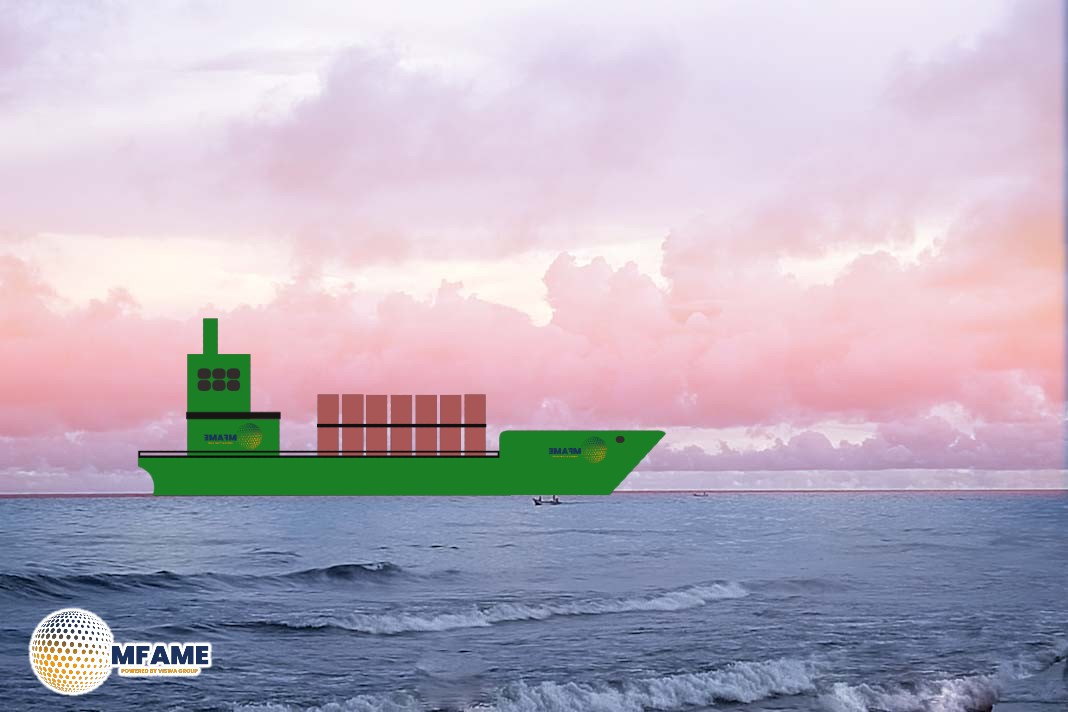





A sanctioned oil tanker has, for the first time, established a direct maritime connection between Russia’s Arctic oil export operations and Venezuela’s petroleum infrastructure, marking a significant development in global energy trade amid ongoing sanctions regimes, reports gCaptain.
Shadow Shipping Expands as Arctic Oil Links to Venezuela
According to recent vessel tracking and commodities data, the tanker completed a trans-ocean voyage that began in the Russian Arctic region and culminated at a major Venezuelan refining hub. The journey represents the first documented case of a vessel subject to sanctions operating in both these strategic energy regions on a single trading route.
The voyage underscores the evolving behaviour of what analysts describe as the “shadow fleet,” a network of older vessels and sanctioned tonnage used to facilitate oil shipments outside conventional regulatory frameworks. This fleet has been expanding in recent years as Russia, Venezuela and other sanctioned oil producers seek alternative channels to monetise crude and refined product exports despite restrictive measures imposed by Western governments.
In this instance, the tanker loaded naphtha — a key feedstock for petrochemical industries — in the far north before crossing into Atlantic waters and arriving at the Venezuelan coast. This operational pattern highlights not only the growing geographic reach of sanctioned maritime trade but also the increasing adaptability of actors involved in sanctions-evasion logistics.
Observers note that linking Arctic export routes with Venezuelan petroleum facilities brings together two of the world’s most sensitive energy hotspots — regions that have independently attracted scrutiny due to geopolitical tensions and enforcement efforts. The integrated route raises complex questions about the effectiveness of sanctions, regulatory oversight, and maritime safety protocols as such voyages traverse long distances and multiple jurisdictions.
The presence of sanctioned vessels in this expanded role comes amid broader patterns of illicit oil transport and regulatory challenges. The global “shadow fleet” now represents a significant proportion of the world’s tanker capacity deployed for sanctioned trades, often involving opaque ownership structures, changing flags of convenience and tactics designed to reduce traceability. This has posed persistent enforcement issues for authorities attempting to uphold sanctions while avoiding escalation in international maritime tensions.
The emergence of such direct Arctic-to-Venezuela maritime links could prompt fresh debate among policymakers, enforcement agencies and industry stakeholders about how to address evolving circumvention strategies. As sanctioned oil producers diversify their routes and trading partners, the complexity of managing global energy flows in a highly politicised environment will remain a focal point of international dialogue.
Did you subscribe to our daily Newsletter?
It’s Free Click here to Subscribe!
Source: gCaptain