




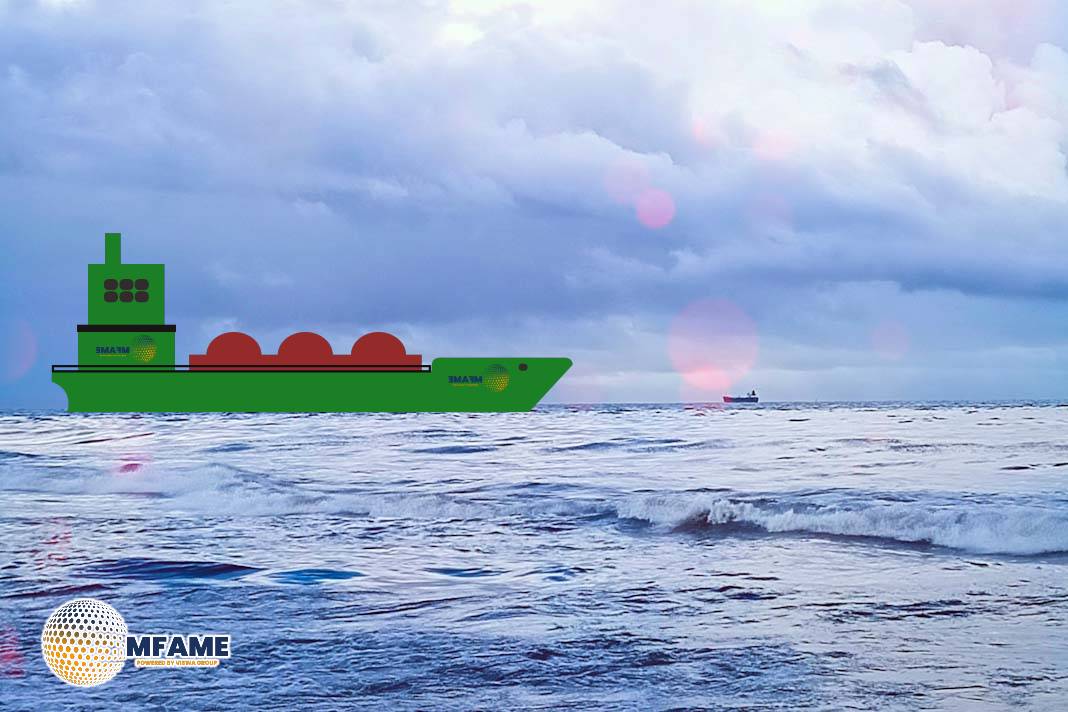
A major energy partnership between UK-based Centrica and US investment firm Energy Capital Partners has resulted in the £1.5 billion acquisition of the Grain LNG terminal, Europe’s largest liquefied natural gas import and regasification facility, reports Offshore Energy.
The deal gives both companies a commanding stake in one of the most strategically important pieces of energy infrastructure in the region. Centrica will take a 50 percent ownership share, contributing roughly £200 million in equity, while the remainder of the purchase will be financed through project debt.
UK–US pair capture Europe’s largest LNG facility
Located on the Isle of Grain in Kent, the terminal plays a vital role in the UK’s energy network. It can process up to 15 million tonnes of LNG annually and features two deep-water jetties capable of receiving the world’s largest LNG carriers. Grain LNG also includes extensive storage capacity, regasification systems, and a truck-loading facility that allows onward distribution by road. With ongoing expansions, the terminal is positioned to supply up to one-third of the UK’s gas demand in the coming years, making it a central hub for national energy security.
For Centrica, the acquisition marks a strategic shift toward long-term, infrastructure-based earnings. The company has emphasised that strengthening control over LNG import capacity is essential for ensuring stable gas supplies, particularly amid global energy market volatility. By securing part ownership of such a crucial terminal, Centrica aims to balance its portfolio with assets that offer predictable returns and reinforce the UK’s ability to meet peak winter demand.
The deal also reflects wider trends across Europe, where nations are increasingly relying on LNG to diversify supply and reduce exposure to geopolitical risk. At the same time, this investment raises questions about the future role of gas within the UK’s broader energy transition. While demand for LNG remains strong, long-term consumption could shift as economies accelerate toward low-carbon alternatives. This dynamic introduces potential challenges for infrastructure owners, who may need to adapt facilities in the future to handle emerging fuels such as hydrogen or ammonia.
Despite these uncertainties, the acquisition represents a significant moment for both companies and for the UK’s energy landscape. It consolidates control over a critical gateway for gas imports, reinforces national supply security, and positions the new owners at the centre of Europe’s LNG infrastructure. How the investment performs in the coming decades will depend on regulatory stability, demand patterns, and the pace of the energy transition, but for now it stands as one of the most notable energy infrastructure deals of the year.
Did you subscribe to our daily Newsletter?
It’s Free — Click here to Subscribe!
Source: Offshore Energy