




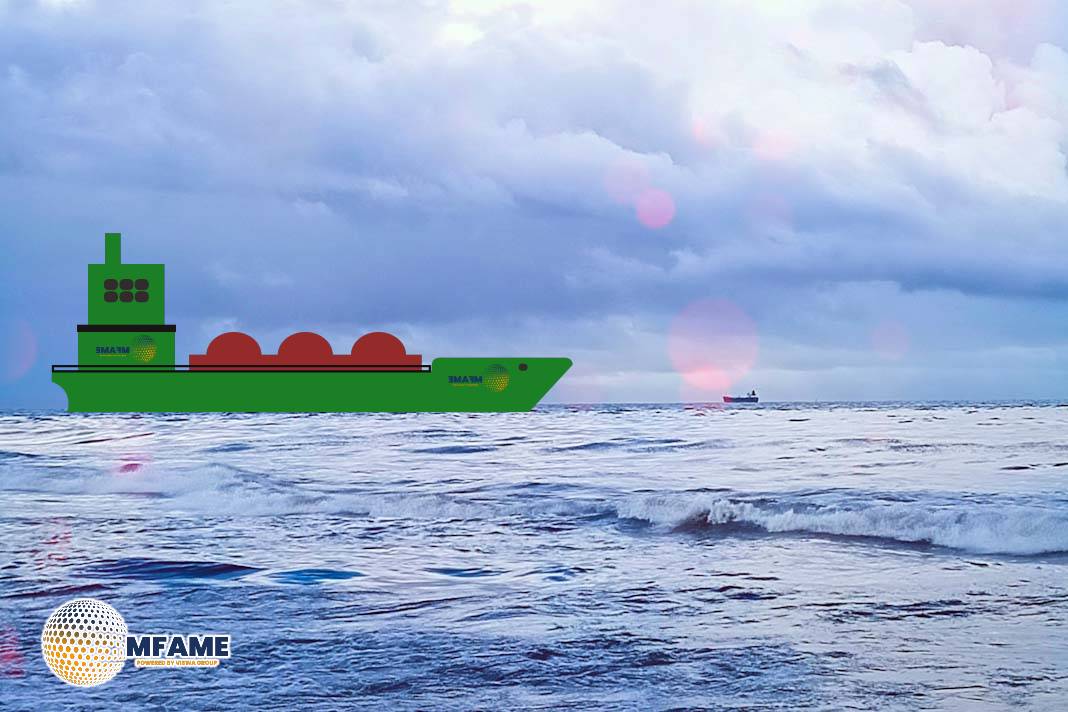
 The transportation of liquefied natural gas (LNG) inevitably involves some evaporation of the cargo, known as boil-off. While this is a natural and necessary process, it also plays a significant role in vessel performance, propulsion, and contractual obligations between Owners and Charterers. Because many operational and technical factors can influence boil-off, it remains one of the most dispute-prone areas in LNG shipping. Understanding these issues early preferably during contract drafting can help avoid costly disagreements.
Why Boil-Off Leads to Contractual Disputes
Although Owners typically provide a boil-off warranty in the charterparty, many factors can cause the boil-off rate to increase. High cargo temperatures, increased nitrogen content, low loading quantities, sloshing during rough weather, or backloading operations can push boil-off above agreed limits. Owners may therefore seek exclusions in the charterparty for such conditions.
Another common dispute arises when excess boil-off is used as fuel. Without an express clause, Owners may subsidize Charterers’ fuel savings without compensation. Even though ShellLNGtime forms exclude excess boil-off from fuel penalties, they often need amendments to allow Owners to earn credit for fuel savings.
Disputes also occur over how the boil-off rate is calculated whether based on 100% tank capacity or the typical 98% cargo capacity volume. The choice significantly impacts liability and should be clearly agreed.
Bills of lading also pose risks. If head charterparty boil-off terms are not incorporated, Owners may face cargo claims from receivers even when boil-off is within charterparty limits. This is especially important since LNG bills of lading historically receive less attention, creating jurisdictional and liability challenges.
Technical Capabilities, Environmental Concerns, and Insurance Gaps
Modern LNG carriers may have reliquefaction systems, allowing boil-off to be liquefied and returned to the tanks. If such capability exists, charterparties must be modified otherwise Charterers may still deduct “excess” boil-off even though the vessel can recover it. Even vessels capable of full reliquefaction still need protection if equipment fails temporarily.
Environmental considerations are also adding new layers to boil-off disputes. LNG mainly contains methane, a highly potent greenhouse gas. When boil-off escapes unburned due to engine inefficiency or venting (methane slip), environmental liabilities can arise. As regulations tighten globally, charterparty clauses around emissions responsibility will become increasingly important.
Insurance is another challenge. Although boil-off resembles a cargo loss, standard charterparty deductions for excess boil-off often fall outside P&I cover because they exceed Hague-Visby responsibilities. Boil-off during General Average situations is also typically not recoverable, as it is not considered an extraordinary sacrifice. Given these gaps, Owners may need specialized insurance solutions to protect themselves from significant financial exposure.
Boil-off is an unavoidable part of LNG transportation, but its contractual, operational, and environmental implications are highly complex. Most disputes arise from unclear charter terms, overlapping responsibilities, and variations in vessel design or cargo composition. By clarifying exclusions, calculation methods, reliquefaction impacts, sampling rights, and liability frameworks from the outset, Owners and Charterers can significantly reduce the risk of conflict. With evolving environmental regulations and insurance limitations, proactive contract management and appropriate coverage are more important than ever for navigating boil-off challenges successfully.
Did you subscribe to our daily Newsletter?
It’s Free Click here to Subscribe!
Source: Gard