




- Two VLCCs cleared to sail from Venezuela to China
- Departures follow recent U.S. seizure of a tanker carrying Venezuelan crude
- Vessels reportedly carrying around 1.9 million barrels each
- Crude exports have declined sharply amid sanctions uncertainty
According to a Reuters report, Venezuelan authorities on Thursday authorized two very large crude carriers (VLCCs) to depart for China, marking only the second and third supertankers to leave the country since U.S. authorities seized a tanker carrying Venezuelan oil last week.
Authorized Departures Under Sanctions Pressure
The United States has stated it would not allow vessels under sanction to leave Venezuelan waters. The two departing VLCCs, however, are not listed under current U.S. sanctions and are each carrying approximately 1.9 million barrels of Venezuelan Merey heavy crude, according to internal documents from the country’s state oil sector.
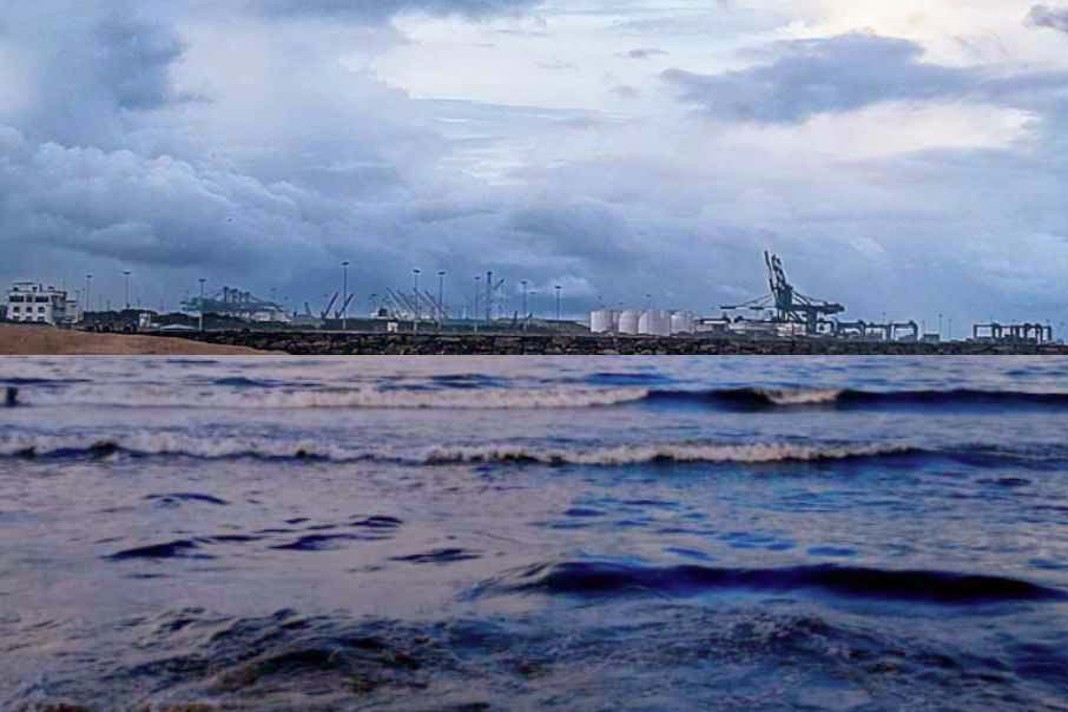
One source familiar with export operations said the vessels planned to navigate with tracking transponders switched off after departing from the main oil port of Jose. Satellite image analysis by a monitoring service indicated that one tanker had already sailed from Jose’s anchorage, where multiple loaded vessels have remained awaiting departure instructions since last week’s seizure.
Use of “Shadow Fleet” Practices
The two tankers have transported Venezuelan oil in recent years, according to internal documentation. Many vessels that disable or manipulate tracking data while transporting Iranian, Russian, or Venezuelan oil are not under U.S. sanctions but are considered part of the so-called “shadow fleet,” which typically operates without Western insurance or maritime service providers.
Shipping analysts have said such vessels remain exposed to potential punitive measures. In Venezuela’s case, Washington has stated that enforcement actions are limited to vessels already under U.S. sanctions as part of a “blockade” announced this week by President Donald Trump.
Data from the monitoring service show that of 75 oil tankers currently in Venezuelan waters considered part of the shadow fleet, around 38 have been sanctioned by the U.S. Treasury. At least 15 of those vessels are currently loaded with crude or fuel.
Export Disruptions and Market Impact
Crude and fuel loading operations resumed on Wednesday after being suspended since Sunday due to a cyberattack. However, most exports remain on hold amid concerns linked to the U.S. blockade threat.
“The blockade announcement caught the company by surprise,” said a source familiar with operations, who declined to be identified. “We have had a lot of meetings with customers since, and most of them are willing to take their cargoes out if there is any guarantee that unsanctioned vessel will not be targeted.”
Venezuela’s crude exports have fallen sharply from more than 900,000 barrels per day shipped in November following the recent tanker seizure.
Separately, a U.S. oil major operating in Venezuela under a U.S. authorization exported a crude cargo to the United States on Thursday, according to shipping data. The company said earlier this week that its operations in Venezuela continue without disruption.
Venezuela’s government has condemned the announced blockade as a “grotesque threat,” stating earlier this week that it violates international law, free commerce, and the right of free navigation.
Did you subscribe to our daily Newsletter?
It’s Free Click here to Subscribe!
Source: Reuters